Amazon’s scaling breaks when systems lag behind revenue. This blog explains why and includes a simple Scale Readiness Scorecard.

Amazon’s scaling breaks when systems lag behind revenue. This blog explains why and includes a simple Scale Readiness Scorecard.
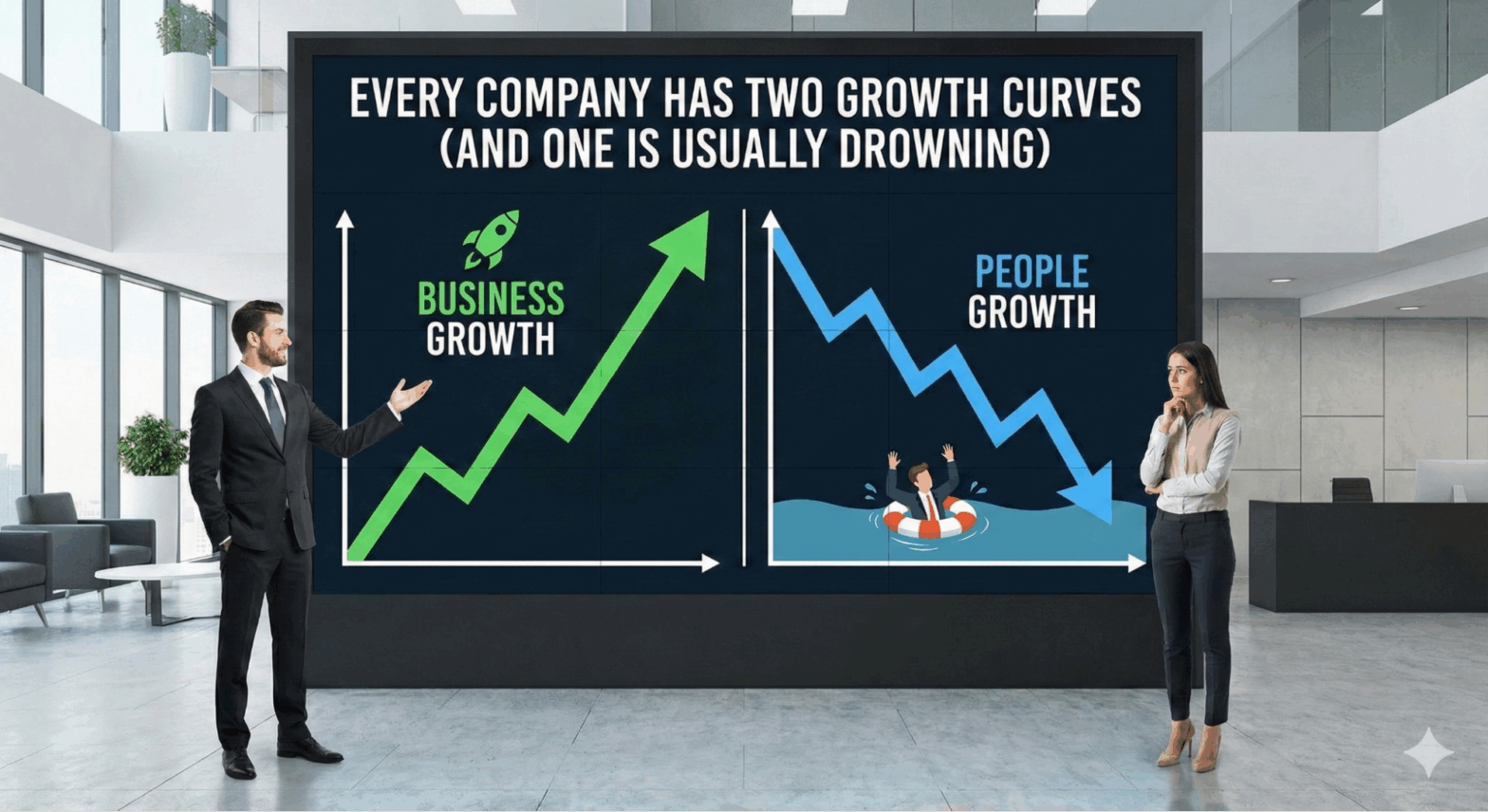
Every company grows in two ways. One shows up on dashboards. The other shows up in people. When the business scales faster than the team, execution doesn’t slow down. It breaks.
When sales are up but cash remains tight, it’s usually because inventory has quietly shifted from a safety buffer to a growth trap.
Intelligence doesn’t guarantee progress; sometimes, it just makes the delays sound impressive. Here is why smart people don’t always build smart companies.
We often try to micromanage growth with processes and checklists, suffocating the very thing we want to build. True growth doesn’t need more supervision; it needs room to breathe.
Tools can give you answers, but they can’t tell you when something feels off. Thinking still begins where convenience ends. Read to find out more.
The most valuable vendor relationships rarely feel exciting. They feel predictable, calm, and quietly reliable. And that is exactly why they last.
Vision sounds powerful in meetings. Follow-through is what actually changes Monday morning.
Some teams move fast. The best ones move early.
Most teams don’t need more people; they need better timing, clarity, and rhythm to move together.